









Argentina is famous for tango, juicy steaks and a lively café culture, but it’s also a growing market for English teachers. The demand for English speakers in Buenos Aires, Córdoba and smaller towns means opportunities exist for qualified teachers and volunteers. Before you pack your bags, however, you need to understand Argentina’s visa laws, residency requirements and the best ways to land a job.
This guide breaks down the essentials to help you make a smooth transition to Argentina.
Visa and Residency Options for English Teachers
Getting an Argentine work visa
To teach legally in Argentina, you need a working visa (sometimes called a temporary residence visa for work). Applying requires you to secure a job offer before arriving; your employer must be registered with the National Registry of Petitioners on behalf of Foreign Applicants (RENURE) and provide an employment contract.
Applications must be submitted at an Argentine consular office in your home country. Visa issuance is at the discretion of the Argentine government. Because the process is bureaucratic and employers rarely sponsor foreigners, many teachers rely on tourist visas while teaching informally.
Why a TEFL Certificate Is Essential
Schools generally expect teachers to hold a TEFL (Teaching English as a Foreign Language) certificate. English teachers in Argentina need a certificate of at least 120 hours; a four‑year degree is preferred but not obligatory. Fluency in English is essential, and positions are available to both native and non‑native speakers.
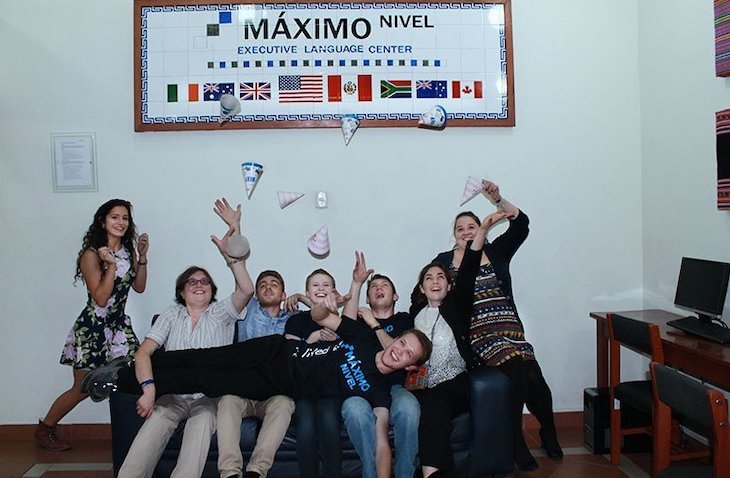
Maximo Nivel offers an online TEFL certification with a job‑placement guarantee. The 120‑hour online program is affordable, fully accredited, and has trained over 5,250 teachers since 2004. These features make it a strong option for those seeking an internationally recognized certificate before moving to Argentina.
A TEFL certificate gives you practical knowledge of lesson planning, classroom management and teaching methodology. It also signals to employers — and visa officers — that you’re serious about teaching. When combined with volunteer experience, it increases your chances of securing a school that will sponsor your visa.
Tourist visas and border hopping
Most foreign teachers arrive in Argentina on a tourist visa, which is actually just a stamp in your passport. Citizens of many countries pay no fee at the border.
A tourist stamp allows you to stay in Argentina for 90 days. Proof of onward travel and evidence of funds may be required. The stamp can be renewed once in the country for approximately 300 to 600 Argentine pesos by visiting an immigration office with photocopies of your passport.
If you wish to remain longer, many teachers do so by “border hopping.” This involves taking a bus or ferry to a neighbouring country and re‑entering Argentina the same day. Each re‑entry resets the 90‑day clock.
While this strategy is common, it does not confer legal permission to work and may be curtailed by future policy changes.
Can I work online on a tourist visa?
Teaching online to students outside Argentina can provide income while living in the country. Online work is generally tolerated for tourists because you are not taking employment from Argentine citizens. However, working in person on a tourist visa is illegal and could lead to fines or deportation. For those staying less than a year, focusing on remote teaching or volunteer positions is a safer alternative.
Residency considerations
Temporary residence status allows you to live and work in Argentina for up to three years and can lead to permanent residency after two years of continuous residence. Temporary residency is typically granted to individuals with work contracts, family ties or other qualifying activities.
Without an employer sponsor, it is difficult to obtain, so exploring volunteer or internship programs with local organizations can help you build relationships and show commitment.
Gaining Experience Through Internships and Volunteering
If you’re new to teaching or need to build contacts in Argentina, internships and volunteer programs provide hands-on experience, Spanish immersion and networking opportunities. Below are reputable programs organised by category.
1. Intern Abroad HQ: Education & Community Development Internship (Córdoba)
This internship places you in Córdoba, a city nicknamed “La Docta” for its many universities. Interns support local teachers in schools, youth centres and NGOs while enhancing their Spanish.
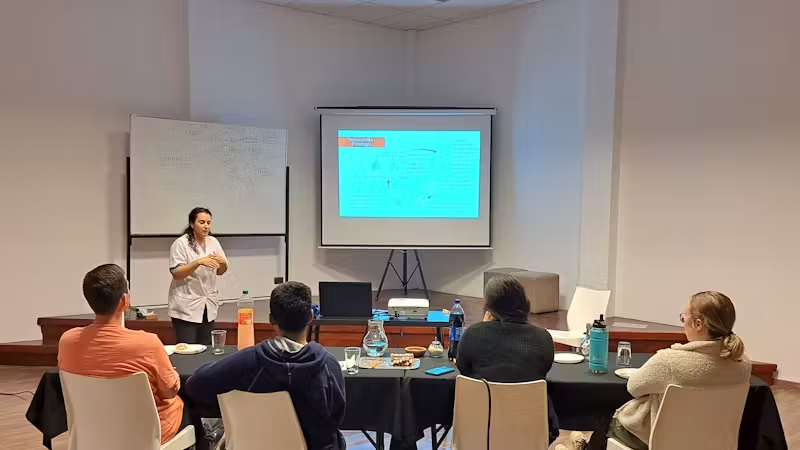
This internship is ideal for students or career changers who want a structured program, cultural immersion and academic credit.
2. International Volunteer HQ (IVHQ) – Teaching Projects
IVHQ runs two popular teaching volunteer programs in Argentina that focus on improving educational access in underserved communities.
Teaching in Buenos Aires
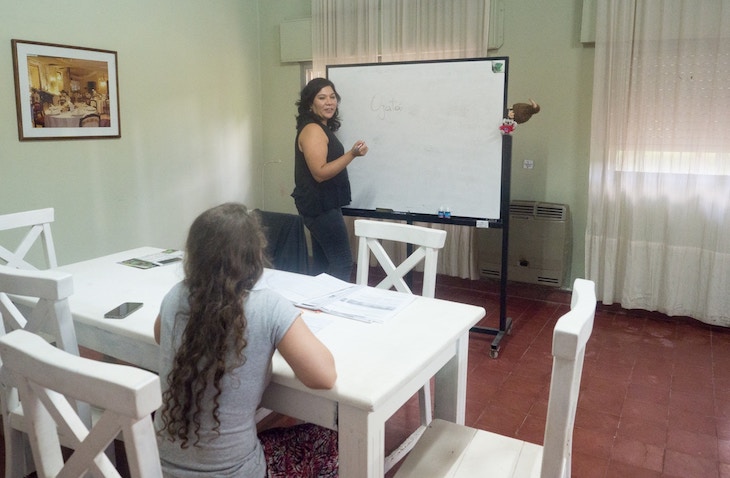
Volunteers support teachers and students in disadvantaged neighbourhoods. Ideal for aspiring teachers who enjoy working with children, tasks include supporting local teachers, tutoring students, guiding pronunciation and assisting with classroom activities.
Teaching in Córdoba
The Córdoba project targets students who face socio‑economic barriers. Volunteers share culture and language to motivate students and keep them in school, support teachers, tutor in English, maths and science, and help with pronunciation.
3. Projects Abroad – Volunteer Teaching in Argentina
Projects Abroad offers a structured volunteer teaching placement primarily in Córdoba. Volunteers work alongside qualified teachers, delivering interactive lessons to improve conversation and pronunciation. They also create educational materials (posters, flashcards) to support future lessons.
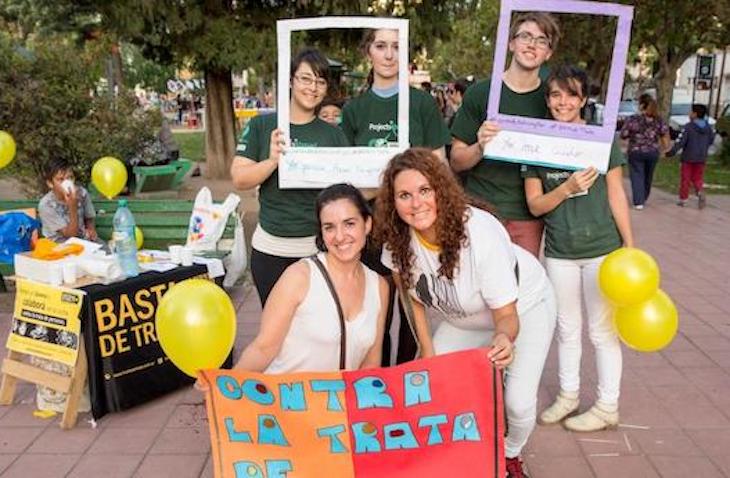
This program includes airport pickup, placement in a host family and aims to improve students’ English skills while enhancing teachers’ methodologies.
4. Involvement Volunteers International – Rural English Teaching in Luján
For those seeking an off‑the‑beaten‑path experience, Involvement Volunteers International runs a Rural English Teaching project in Luján, a small town outside Buenos Aires. The program addresses teacher shortages in rural schools where 40 % of Argentines live below the poverty line and resources are limited. Volunteers bring creativity into the classroom and build relationships with students and the community by participating in school events and working alongside local teachers.
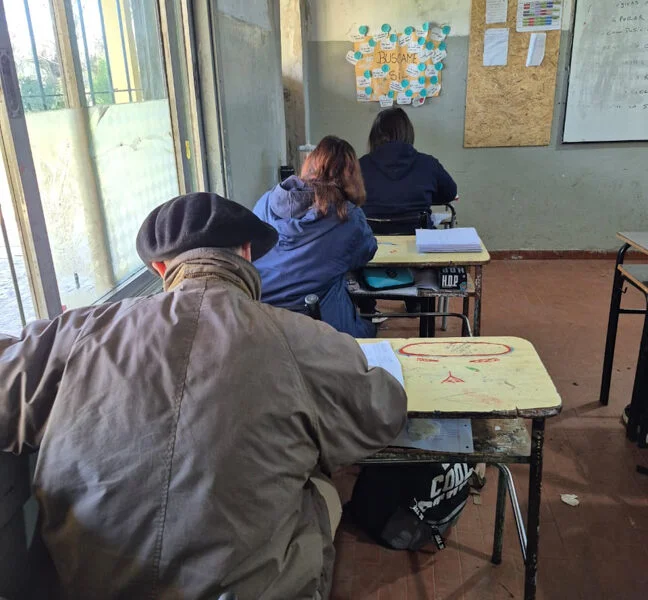
This project is perfect for teachers who enjoy rural life and want to support communities often overlooked by urban‑focused programs.
5. Volunteering Solutions – Socio‑educational Center for Children (Córdoba)
Volunteering Solutions runs a socio‑educational program in Córdoba that combines education with community development.
Accommodation is in centrally located hostels with communal kitchens; volunteers cook their own meals and are responsible for returning to the airport at the end of the program.
Your Roadmap to Teaching English in Argentina
Ultimately, securing work as an English teacher in Argentina is an achievable yet challenging endeavor that requires preparation and patience. To succeed, you should invest in a reputable TEFL certification and gain practical experience through internships or volunteer programs to strengthen your résumé. Learning Spanish is crucial for both employability and daily life, while local networking often unlocks the best job opportunities.

Financially, understand that while a school salary may cover living expenses, supplementing it with private tutoring is often necessary to save. Navigating the bureaucratic landscape demands flexibility, as visa processes can be slow; having multiple income streams provides stability during this period. Remember, while informal solutions exist, the only legal path is a work visa sponsored by an Argentine employer.
By obtaining the right qualifications, building local connections, and approaching the process with cultural sensitivity, you can transform the dream of teaching in Argentina into a rewarding reality.











Munira Maricar · Travel Writer
With an international living background spanning Singapore, Qatar, Japan, and Mexico, Munira enjoys sharing insights on immersive travel while emphasizing the vital role of cultural respect and ethical engagement. Her extensive experience offers a unique perspective that inspires others to explore the world through service, ensuring that every journey respects and contributes positively to local traditions and communities.