









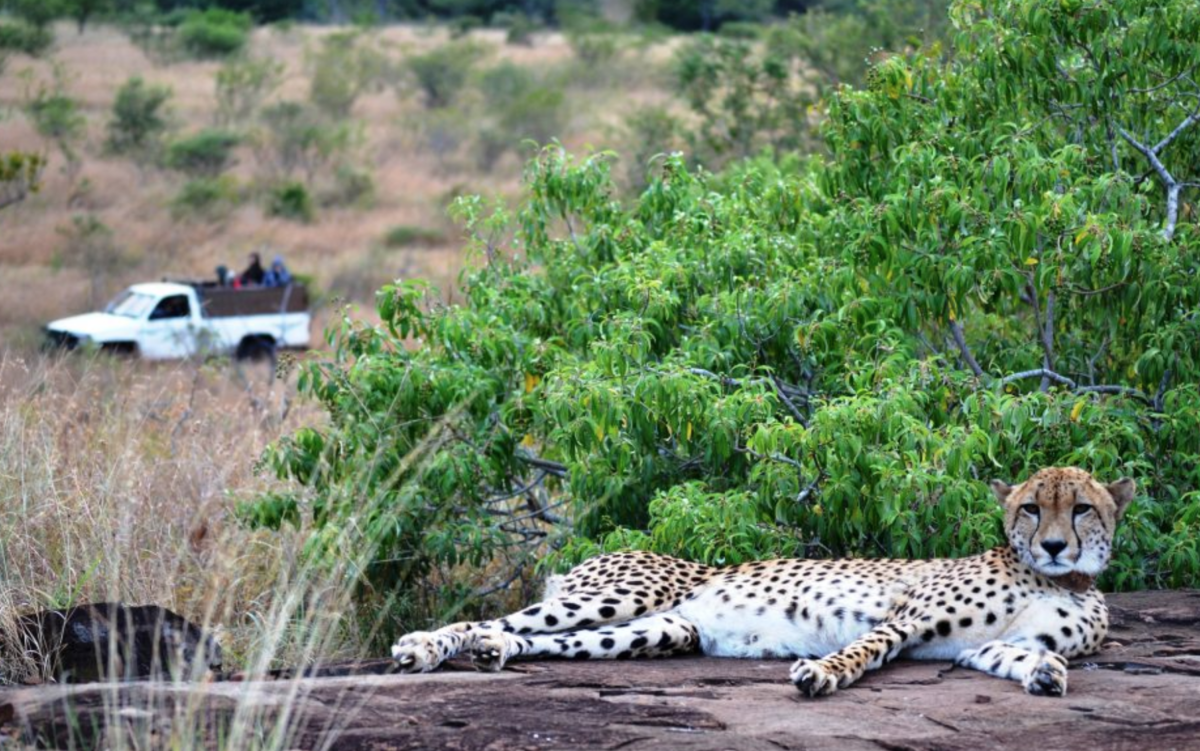
South Africa is one of the world’s most spectacular safari destinations. From the grassy plains of the Kruger to the mountains of the Cape, its parks shelter elephants, rhinos, lions, cheetahs, countless antelope species, and hundreds of birds.
Yet wildlife viewing is a privilege that comes with responsibility. Iconic migrations and predator–prey interactions have been commodified by investors who build lodges along ancient routes to capture tourism dollars. Uncontrolled development and poorly planned game drives have already begun to disturb the animals on which the industry depends.
Ethical travel means choosing experiences that minimise our impact, support conservation and benefit local communities. This article explores how you can go on safari with a purpose while avoiding harmful practices.
Why Ethics Matter on Safari
It’s easy to be seduced by glossy brochures promising close encounters with big cats and elephants. However, responsible travellers should ask hard questions before booking. Not all “conservation” experiences are equal. Walking or petting semi‑domesticated lions and cheetahs is a major red flag—many of these animals are bred for canned hunting or the cub‑petting industry and such activities do little for conservation.
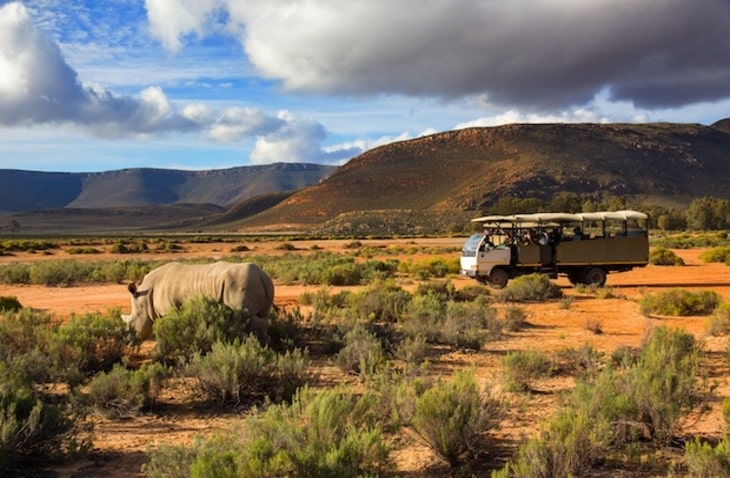
Ethical organizations encourage volunteers to observe animals behaving naturally, not to handle them. Reputable projects also employ local people and ask volunteers to assist with tasks locals cannot do, rather than taking jobs away from community members.
Tourists should also consider where they stay. The Great Migration of wildebeest attracts thousands of visitors each year, and some hotel chains have built large lodges along river crossings, effectively blocking ancient migration routes. Conservation experts warn that uncontrolled growth in camps and game vehicles threatens the very wildlife tourists come to see.
Choosing smaller camps and volunteer programs that invest in habitat protection ensures your money supports sustainable tourism rather than unsustainable development.
Choosing the Right Program
When selecting a volunteer program, look for transparent organisations that partner with national parks and community‑run reserves, prioritize animal welfare and contribute to long‑term research. Avoid any program that markets animal interactions to attract visitors. Legitimate projects will brief volunteers on safety and ethics, and your work will directly support conservation. Below are several reputable options to explore.
Conservation and Research in Greater Kruger
Wildlife Conservation in Kruger
International Volunteer HQ places volunteers on a private reserve adjoining Kruger National Park. Participants help protect endangered species and gain bushcraft training. Tasks include tracking wildlife on game drives, using camera traps, monitoring diet partitioning in large herbivores, mapping injured animals and protecting trees from elephant damage.
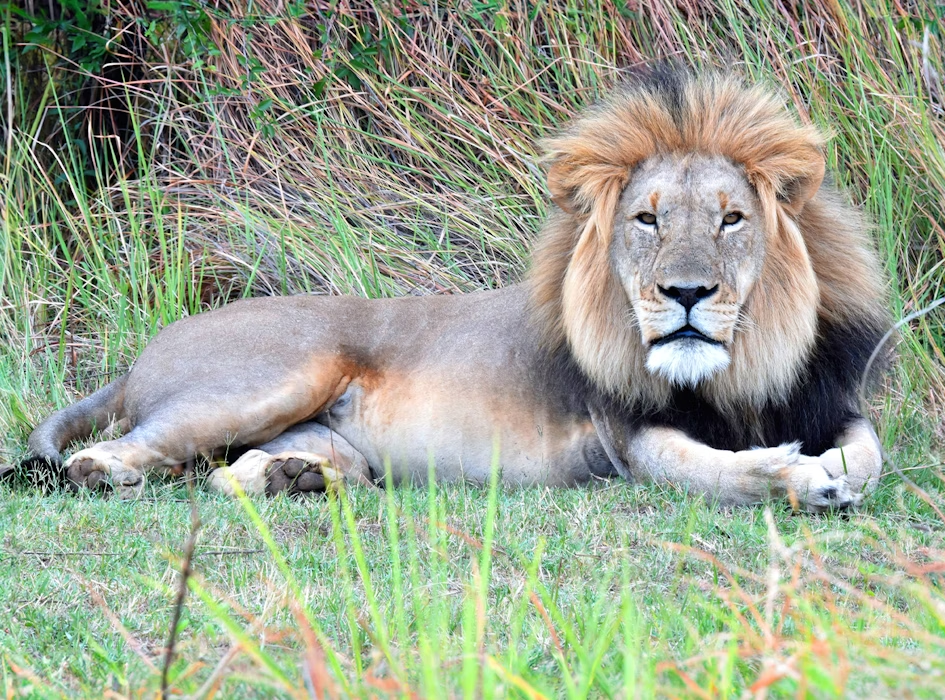
Volunteers may also remove invasive plants and maintain roads.
Wildlife Ecology & Anthropological Research Internship
Located in the UNESCO‑recognised Waterberg Biosphere, this internship pairs volunteers with postgraduate researchers at Mogalakwena Game Reserves. Participants monitor giraffes, antelope, primates and reptiles; study species interactions and behavioural adaptations to climate change; and help with GIS, small mammal trapping and invasive plant surveys.
Some projects explore oral culture and edible insects, offering insight into indigenous knowledge. Interns hike 4–10 km per day and must be physically fit.
Reserve Management at Kruger National Park
This program, based at Balule Game Reserve on the Olifants River, focuses on conservation. Interns learn bushcraft, animal identification, navigation and field research techniques. Daily tasks include game drives and camera trapping, creating predator ID kits, vegetation sampling, erosion control, fence maintenance and long‑term biodiversity surveys.
Specialized projects allow participants to map seasonal overlap of predator ranges or compile seasonal bird charts.
GIS Specialization for Environmental Conservation
For volunteers interested in mapping and data, this program at Gondwana Game Reserve teaches QGIS. Participants conduct vegetation surveys, game counts, bird point counts and camera trap servicing. They then combine field data with spatial analysis to answer real‑world conservation questions, using Trimble GPS units for ground‑truthing.
Wildlife Rehabilitation & Veterinary Experience
Wildlife Rehabilitation Center
In Limpopo Province, volunteers care for injured and orphaned animals such as eagles, vultures, leopards, honey badgers and wild dogs. Duties include cleaning enclosures, preparing food, feeding, enrichment activities, vegetation removal and road maintenance.
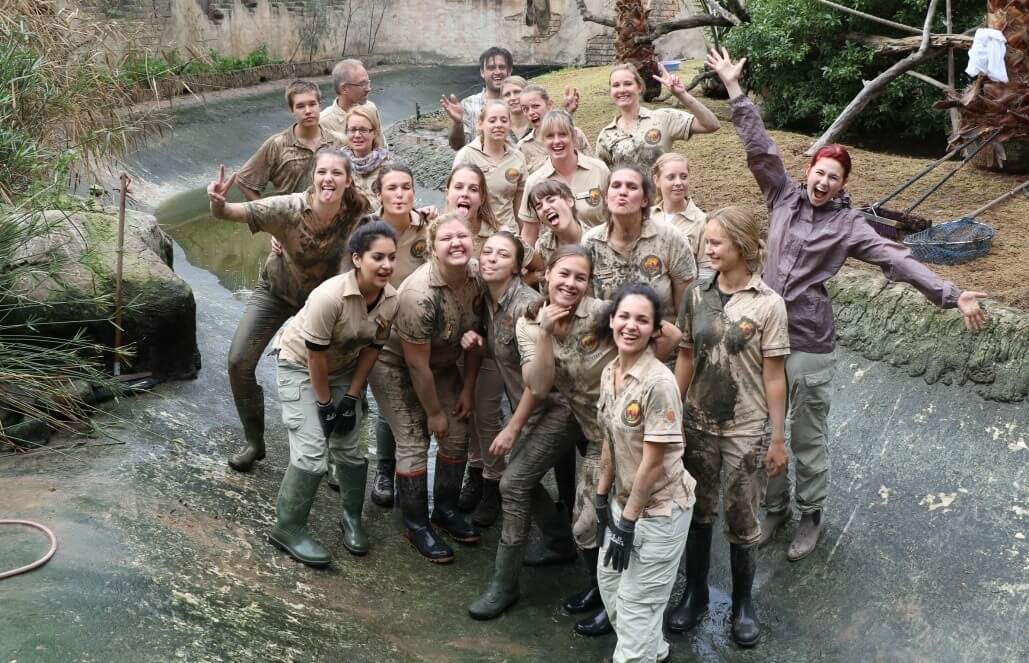
Participants may join call‑outs to capture animals for relocation and attend conservation talks.
Rhino Orphan Sanctuary
This unique program near the Greater Kruger area works with orphaned rhino calves. Volunteers prepare milk and food, clean bomas, monitor behaviour, update records and assist in hand‑rearing calves. Afternoons include farm maintenance, rhino feeds and game drives or bush walks.
The sanctuary also cares for horses and dogs used for anti‑poaching patrols, so participants help groom animals and clean stables.
Wildlife Rehabilitation, Rescue & Release
Based at Umoya Khulula Wildlife Rehabilitation Centre in Tzaneen, volunteers care for rescued wildlife with the aim of releasing them back into the wild. Work ranges from medical care and feeding to creating enrichment for recovered animals and learning about the human‑wildlife conflict that brings animals to the centre.
Wildlife Veterinary Internship
This three‑week program in Mossel Bay is designed for vet students or veterinary nurses. Participants assist professionals with wildlife capture, veterinary procedures and treatment. Expect long hours and hands‑on experience that provides insight into wildlife medicine.
Pre‑Vet Wildlife Internship
Volunteer veterinarians in the Eastern Cape gain experience with domestic livestock and African wildlife, participating in artificial insemination, injections, pregnancy testing, wildlife capture and immobilization, and general animal management.
The program also includes community work at Chintsa East village and emphasises holistic ecosystem support and rehabilitation.
Big 5 & Predator Monitoring
Big 5 & Endangered Species Reserve
On a private reserve near Hoedspruit, volunteers live in the bush and conduct game monitoring, habitat restoration and research. Activities include tracking lions, elephants and hyenas; collecting data on movements and behaviour; building ID kits; deploying camera traps; and removing invasive plants.
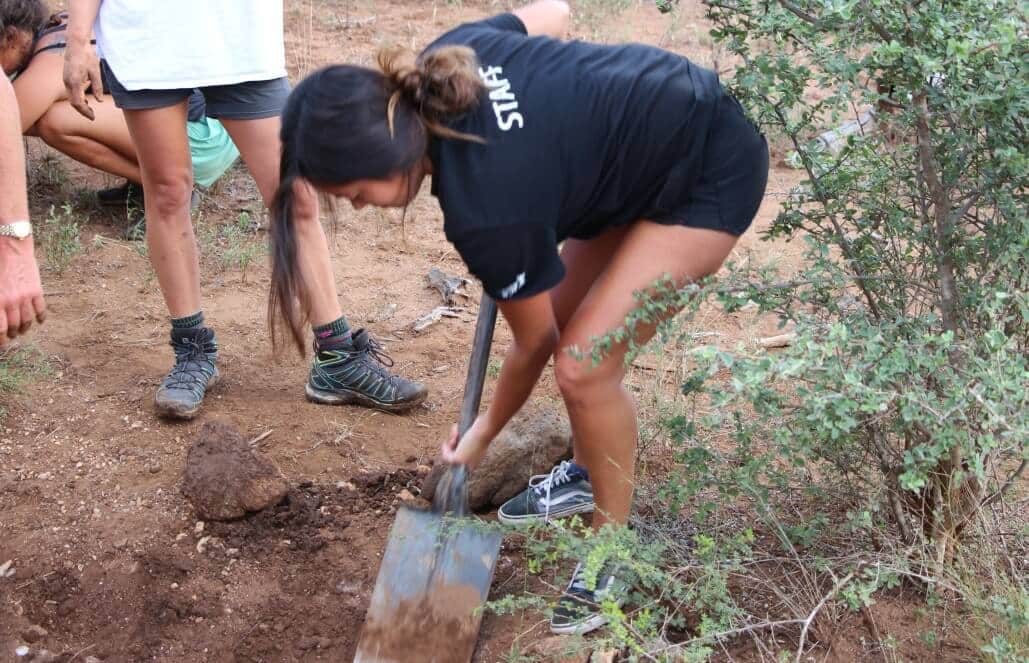
Data gathered contributes to reserve management decisions and anti‑poaching strategies.
Big 5 Wildlife Reserve – Greater Kruger
Volunteers assist with wildlife monitoring, data collection, habitat restoration, and anti‑poaching education. Time is divided between monitoring, physical conservation tasks such as invasive plant removal, and data recording/workshops.
African Big 5 Wildlife Conservation Volunteer Project
This project in the Greater Kruger area trains volunteers to track and collect data on elephants, lions, leopards, rhinos, and buffalo during game drives.
Volunteers also remove snares, eradicate invasive plants, and restore habitats. Servicing camera traps by changing SD cards and tagging images is a regular duty.
Big Cat & Cheetah Conservation
Big Cat Rescue Sanctuary
At a sanctuary near Stanford, Western Cape, volunteers care for rescued big cats that cannot return to the wild. Tasks include preparing food, feeding, cleaning enclosures, creating enrichment, and educating visitors about ethical treatment.
Wild Cat Sanctuary & Kruger Safari
Volunteers help rehabilitate small wild cats in Kimberley by cleaning enclosures, constructing enrichment structures and preparing meals. Human interaction is restricted to ensure animals remain wild, but participants join a three‑day Kruger safari at the end of the project.
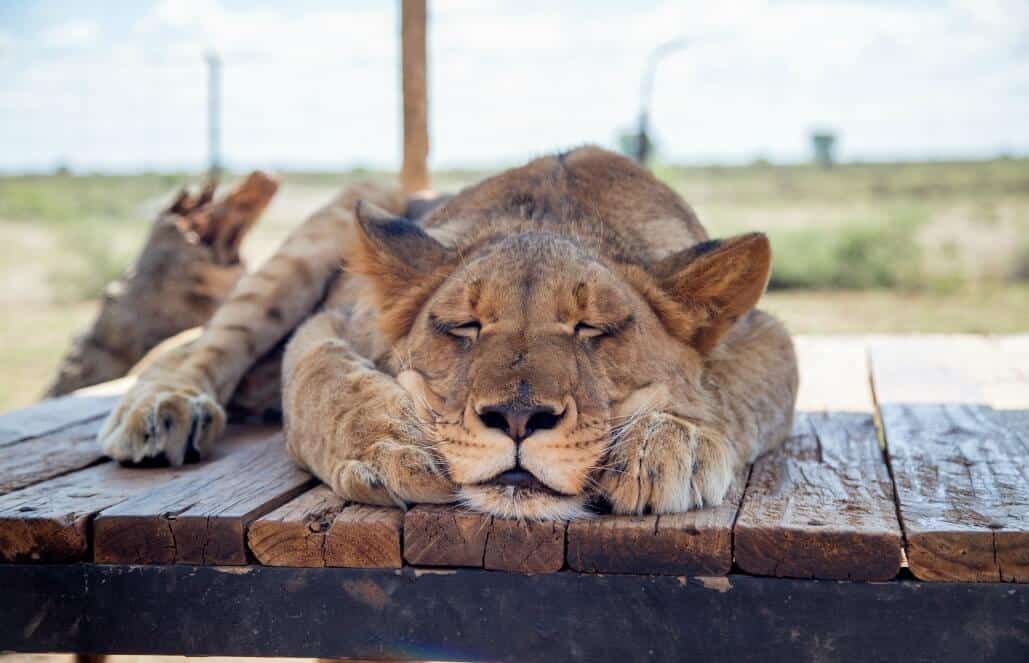
Game drives allow volunteers to see the Big 5 without interfering with the animals’ lives.
Cheetah Conservation in Cape Town
This project cares for captive‑born cheetahs to release them into the wild. Volunteers learn about species ecology and assist with feeding, cleaning, and enrichment activities. They help prepare food (including working with raw meat), conduct general maintenance, and assist with public tours and educational sessions on cheetah conservation.
Programs to Approach with Caution
Some volunteer programs, particularly those run by larger tour operators, offer experiences that sound tempting but ultimately exploit animals. Always avoid facilities that allow you to hold or cuddle lion cubs, walk with big cats, or ride elephants; these activities often involve captive breeding and do not contribute to conservation.
Be wary of lodges built directly on migration routes, which interfere with seasonal movements and degrade habitats. Ask providers if their projects are locally run and whether they work with accredited conservation organisations.
Do Good on Your South Africa Safari!
Volunteering with wildlife in South Africa offers an opportunity to witness some of the planet’s most iconic animals and contribute to their survival. Ethical safari travel means avoiding programs that exploit animals or disrupt ancient migration routes and instead choosing projects that prioritise research, rehabilitation, and community‑led conservation.
Remember that the privilege of being up close with animals comes with responsibility — respect their space, follow your guides’ instructions, support local conservation initiatives, and spread the message that a safari should always have a purpose.











Munira Maricar · Travel Writer
With an international living background spanning Singapore, Qatar, Japan, and Mexico, Munira enjoys sharing insights on immersive travel while emphasizing the vital role of cultural respect and ethical engagement. Her extensive experience offers a unique perspective that inspires others to explore the world through service, ensuring that every journey respects and contributes positively to local traditions and communities.