








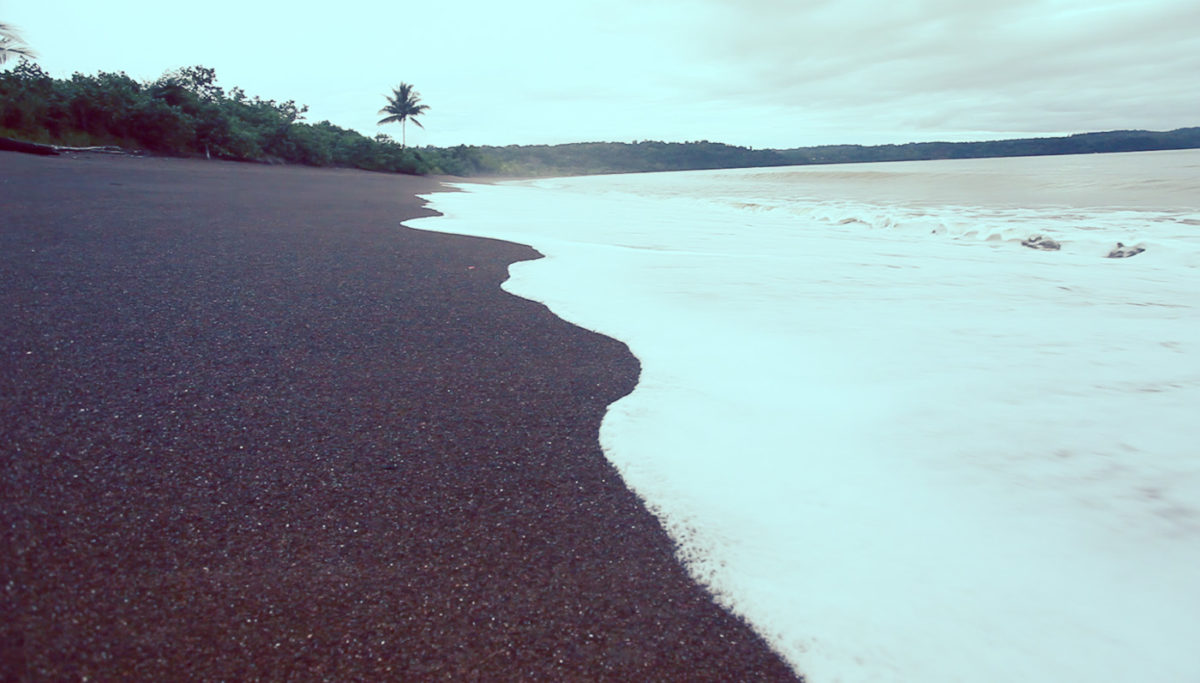
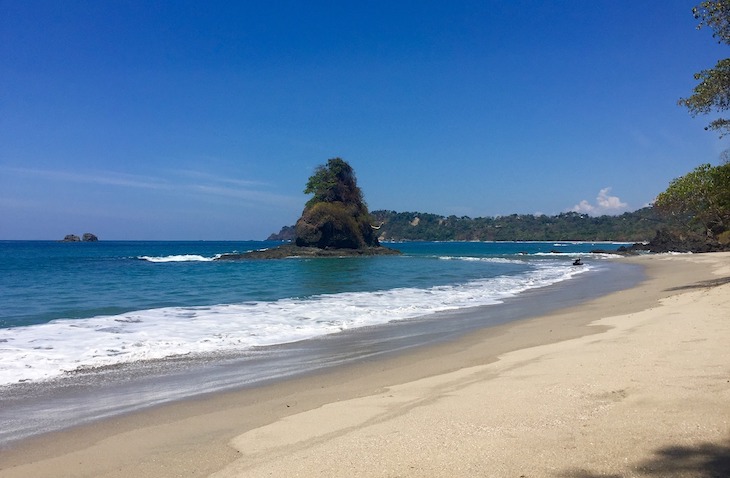
Few destinations capture the laid‑back spirit of surf culture like Costa Rica. With coastlines on the Pacific and Caribbean, palm‑lined beaches, warm water, and consistently good swells, the small Central American nation has become a pilgrimage site for surfers.
At the same time, its remote beaches are critical nesting grounds for endangered sea turtles – including olive ridleys, Pacific green turtles, leatherbacks, and hawksbills. Responsible surfers and travelers are increasingly looking for ways to give back to the places they ride, and Costa Rica’s turtle conservation projects provide the perfect opportunity.
Volunteering on a sea‑turtle program immerses you in a world of midnight patrols, hatcheries, data collection, and community outreach. During free hours, you can surf uncrowded breaks and soak up the pura vida lifestyle.
Below is a guide to some of the best programs that blend conservation with surfing adventures.
Why Combine Surfing and Turtle Conservation?
- Shared respect for the ocean. Surfers rely on clean, healthy beaches, while sea turtles depend on intact coastal ecosystems. Helping protect these animals feels like natural reciprocity. Many programs include beach clean‑ups and environmental education, ensuring the beaches you surf remain pristine.
- Remote wave access. Volunteer stations are located on wild stretches of coast like the Nicoya and Osa Peninsulas. When your patrol shifts end, you can grab a board and ride waves that most tourists never see.
- Cultural immersion. Living with host families or in eco‑camps introduces you to Costa Rican culture, Spanish language, and the community spirit behind pura vida. Volunteers often teach English and assist with community projects, broadening their impact.
- Adventure with purpose. Instead of a typical surf trip, you return home with hands‑on conservation experience. Programs cater to both beginners and experienced conservationists, and free days allow excursions to volcanoes, rainforests, and waterfalls.
Sea Turtle Conservation (Ostional)
Ostional Beach on the Nicoya Peninsula is famous for the arribada – mass nestings where thousands of olive ridley turtles come ashore from May to November. GoEco’s program immerses volunteers in this phenomenon. Tasks include patrolling beaches day and night, measuring and tagging turtles, collecting eggs and relocating them to hatcheries, building hatcheries and maintaining facilities, releasing hatchlings, and removing trash from nesting areas.
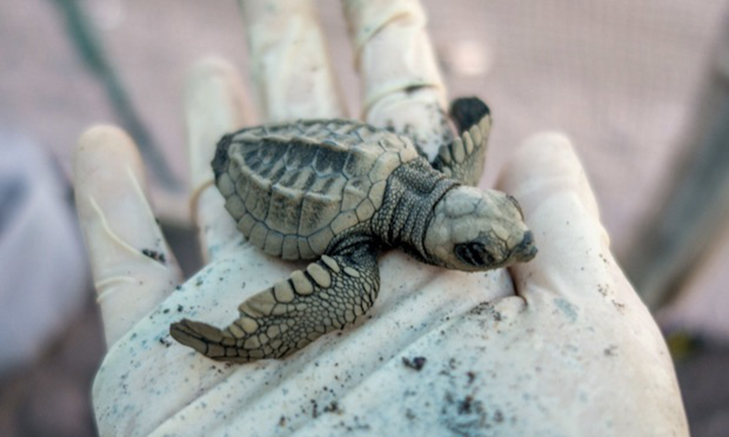
Volunteers also help with community projects and environmental education. Accommodation starts with a host‑family orientation week in San José, followed by rustic dorms near the beach; meals and support are included.
Free days can be spent surfing the consistent beach breaks of nearby Playa Guiones or exploring the peninsula’s waterfalls.
Pacific Sea Turtle Volunteer Program (Romelia Reserve)
Further down the peninsula, the Romelia Wildlife Reserve protects remote beaches near Montezuma. The program’s highlights include a Spanish‑immersion week, hands‑on conservation tasks like measuring turtles, relocating nests to hatcheries, releasing hatchlings, beach clean‑ups, trail maintenance, and environmental education.
Volunteers stay in a rustic station with limited Wi‑Fi and electricity. Surfing spots such as Playa Grande and Playa Santa Teresa are a short drive away; after long night patrols, you can unwind with a dawn surf session.
Montezuma Sea Turtle Volunteer Program
This project protects nesting sites on Montezuma’s beaches and offers a lively surf‑town vibe. After a Spanish immersion week, volunteers relocate to the hatchery where they patrol beaches at night, relocate nests, monitor hatcheries, and release hatchlings. They also collect data, maintain hatcheries, and help with community education.
Montezuma’s waterfalls, tide pools, and reef breaks make for great downtime adventures. Accommodation is in simple dorms at the volunteer station; Wi‑Fi is available, and families can book private rooms in town.
Turtle Conservation
This well‑established program supports endangered leatherback, green, olive ridley, and hawksbill turtles on the Nicoya Peninsula. Volunteers help locate nesting females, collect eggs, build hatcheries, tag turtles, replant mangroves, and clean beaches. Additional community work includes informal English lessons and light construction.
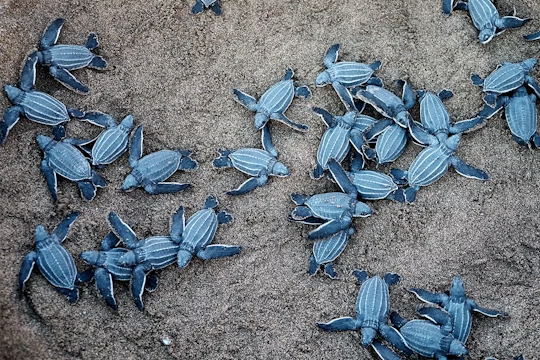
Volunteers work 5–6 days per week, often walking up to four hours on night patrols. Benefits include living on secluded beaches, practicing Spanish, and gaining marine conservation skills. On days off, you can surf the long left points of Playa Santa Teresa or explore the nearby Cabo Blanco nature reserve.
Turtle & Environment Conservation (Osa Peninsula)
This community‑driven project safeguards 8 km of nesting beach on the Osa Peninsula, an area that harbors an estimated 2.5 % of the world’s biodiversity. Volunteers work alongside locals to protect more than 7,000 nests per season.
Conservation tasks include increasing hatching success by protecting nests or relocating them to hatcheries, reducing predation and poaching through regular patrols, and helping injured turtles. Volunteers also collect data, conduct beach clean‑ups that reuse or recycle washed‑up debris, and support research to influence policy.
Community outreach is a big part of the program: participants teach English, educate locals on conservation, and support ecotourism initiatives.
Living is rustic – an eco‑friendly camp with dormitory cabins, solar power, limited Wi‑Fi, vegetable gardens, and compost toilets. In your free time, you can surf Matapalo’s legendary right-hand point breaks, visit Corcovado National Park, ride horses, go whale watching, or hike to waterfalls.
Sea Turtle Protection & Eco‑Oasis
Located on the Osa Peninsula, this project protects a beach that sees more than 7,000 nests per season. Volunteers live in a zero‑waste eco‑camp built from sustainable materials; tasks include daily beach patrols, nest protection, data recording, beach clean‑ups, English lessons, tree planting, and permaculture gardening.
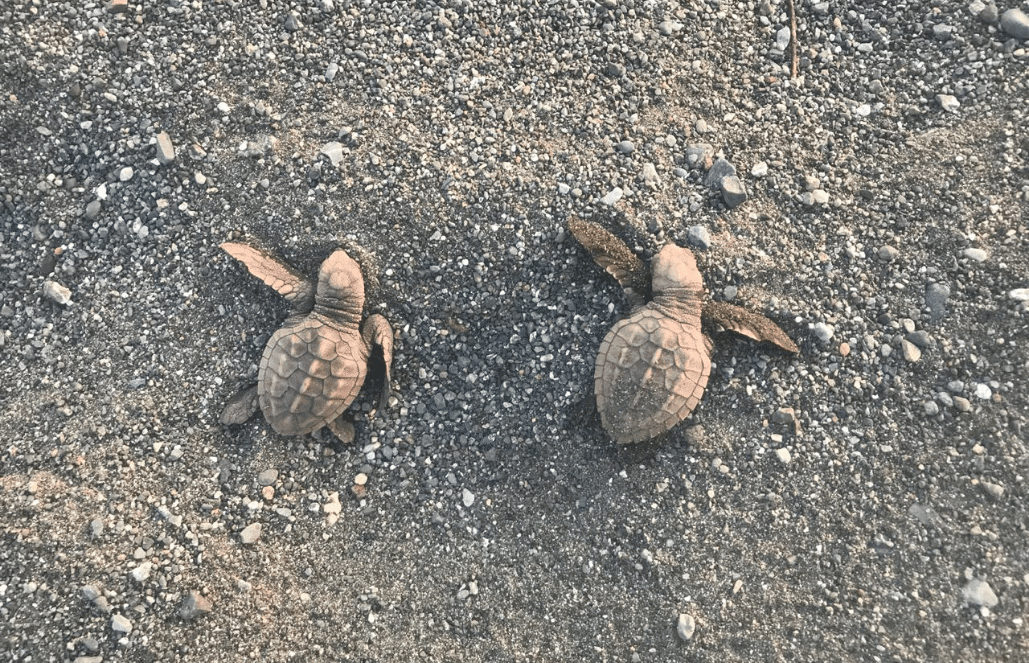
Accommodation is rustic; volunteers sleep in shared wooden cabins with limited Wi‑Fi and solar electricity. On days off yo,u can surf near Cabo Matapalo, hike in Corcovado, or take chocolate and waterfall tours.
Turtle & Sloth Conservation (Quepos)
Situated about 30 minutes south of Quepos on Costa Rica’s central Pacific coast, this program protects beaches where olive ridley, Pacific green, leatherback, and Hawksbill turtles nest. Volunteers patrol the beach, count turtles, measure nests, collect eggs for hatcheries, and release hatchlings. They also monitor local sloth populations and participate in reforestation.
A typical day starts with a 4:30 am beach patrol followed by free time for surfing or exploring, afternoon conservation tasks, and night patrols during nesting season.
Accommodation is with a host family during orientation and then at a volunteer house; volunteers must be at least 18, fit, and ready to work outdoors.
Turtle Conservation
IVI’s program is based at off‑site locations on the Nicoya Peninsula. Its primary goal is to increase the birth rate and survival of turtle hatchlings. Volunteers learn to manage hatcheries, patrol beaches, collect eggs, count eggs and turtle numbers, relocate nests, nd educate local communities.

Accommodation includes a host‑family stay in San José for orientation and then dorms or homestays at the remote project sites. The remote locations have little or no Wi‑Fi, so volunteers enjoy a true digital detox while exploring surf breaks like Playa Tamarindo after their shifts.
Beach Clean‑Up & Nature Reserve
This project combines beach conservation with work in Costa Rica’s first national park at the southern tip of the Nicoya Peninsula. Volunteers undertake trail maintenance, light construction, beach clean‑ups, day patrols, research assistance, guiding visitors, and environmental education.
The reserve is home to seabirds like pelicans and frigate birds, white‑tailed deer, armadillos, howler and capuchin monkeys, and wild cats, including ocelots and jaguarundis.
Living is in dormitory rooms within the reserve; Wi‑Fi is available only at the ranger station, and meals are local cuisine. When you’re not working, you can surf remote beaches or hike the reserve’s trails.
Sea Turtle Research & Conservation Internship
Based in Cahuita on Costa Rica’s Caribbean coast, this internship combines conservation work with leadership training. Participants work on sea‑turtle monitoring projects while receiving formal leadership education.
The program focuses on protecting nests and assisting research on leatherback, green, and hawksbill turtles. Interns conduct day and night surveys with GVI staff, help in hatchling research and data collection, and participate in community outreach. Accommodation is a shared house near Playa Grande beach, providing easy access to surf breaks between patrols.
Sea Turtle Conservation Program
This volunteer project places participants in Cahuita, where they assist local partners in rescuing sea turtles. Program information notes that volunteers help protect leatherback, green, and hawksbill turtles by joining projects to protect nesting and hatching sites; they live near the beach in Cahuita, surrounded by rainforest, while contributing to marine conservation efforts.

The program overview describes night beach patrols, collecting eggs, recording tracks, and assisting Turtle Rescue Cahuita with incubation and hatchling releases.
From April to August, volunteers may witness females laying eggs and even help release hatchlings later in the season. Days off can be spent exploring Cahuita National Park’s reefs or surfing the Caribbean’s reef breaks.
Wildlife Conservation for Teens
For younger travelers, Projects Abroad offers a teen wildlife‑conservation program that includes sea turtle monitoring in Costa Rica’s rainforests. Volunteers join conservation experts to monitor monkeys and sea turtles, participate in beach clean‑ups, plant native trees, and conduct anti‑poaching patrols.
The program runs during school holidays and includes accommodation, food, airport transfers, transport to the placement, and social activities. Work sites include the Camaquiri Conservation Initiative and Barra del Colorado, both biodiversity hotspots. While not surf‑specific, there’s often free time to visit nearby beaches and try surfing under supervision.
What to Expect as a Volunteer Surfer
- Schedule and Physical Demands: Conservation work is physically demanding; expect long walks on soft sand, night shifts, a nd early mornings. Programs often include 4 to 7 hours of work per day. Many require volunteers to be in good health.
- Accommodation: Rustic dorms or eco‑camps are the norm; Wi‑Fi may be limited or unavailable.
- Meals: Most programs include three meals a day, usually typical Costa Rican fare — rice, beans, plantains, fresh fruit, a nd vegetables.
- Surfing Time: Many volunteer schedules allow free afternoons or designated days off for surfing. Boards can be rented locally, and some programs encourage volunteers to bring their own. Respect local surf etiquette and check tides; some beaches near nesting sites may restrict access at night.
- Cultural Exchange: Beyond turtle work, volunteers teach English, assist with environmental education, and support community initiatives. These interactions enrich your experience and contribute to long‑term conservation by empowering local communities.
Riding Waves & Saving Turtles
Combining surf travel with turtle conservation makes your trip meaningful and memorable. Whether you’re strolling under stars on Ostional Beach, counting olive ridley,s or releasing hatchlings into the Caribbean surf in Cahuita, you’ll forge a deeper connection with the ocean that fuels your passion. Costa Rica’s volunteers often say the work is hard but life‑changing, and nothing compares to watching a baby turtle crawl toward the waves while you know you helped it get there.
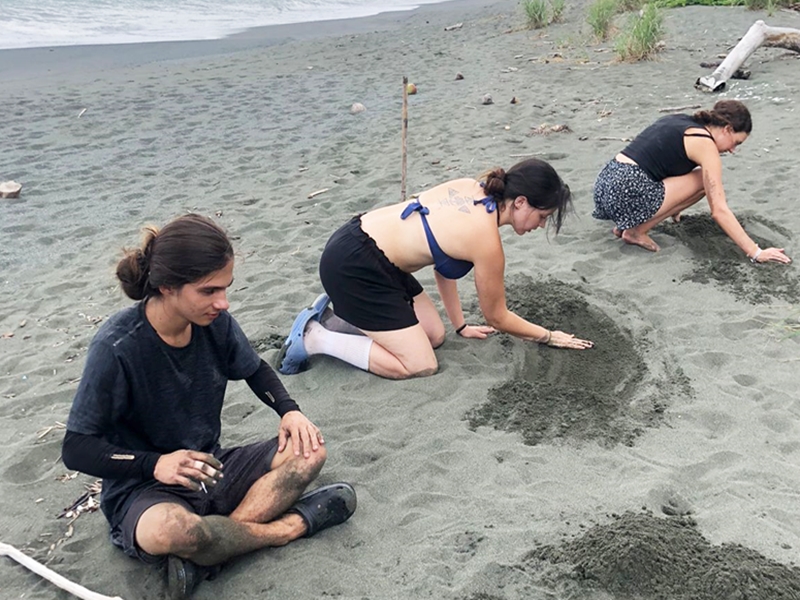
So wax your board, grab your reef‑safe sunscreen, and prepare to embrace the pura vida lifestyle. Surf by day, patrol by nig, ht and become part of a growing movement of travelers who surf and save.










Munira Maricar · Travel Writer
With an international living background spanning Singapore, Qatar, Japan, and Mexico, Munira enjoys sharing insights on immersive travel while emphasizing the vital role of cultural respect and ethical engagement. Her extensive experience offers a unique perspective that inspires others to explore the world through service, ensuring that every journey respects and contributes positively to local traditions and communities.