








Volunteering abroad continues to grow in popularity as travellers look for more meaningful ways to see the world. For 2026, the trend is toward responsible travel — programs that genuinely benefit local communities and ecosystems while providing volunteers with hands‑on experience.
This guidebook explores some of the best volunteer destinations for 2026, focusing on countries such as Thailand, Sri Lanka, India, Kenya, and South Africa, as well as a few bonus destinations.
Choosing the right program
When selecting a volunteer program for 2026, consider your interests, the skills you want to gain, and the impact you hope to have. Always verify start dates and choose providers with good reputations and clear ethical guidelines.
The programs highlighted below come from reputable providers and represent a mix of teaching, community development, conservation, and wildlife rehabilitation opportunities.
Thailand
Hill tribe support and teaching (Hua Hin)
IVHQ’s Hill Tribe Support program places volunteers in the hill‑tribe region near Hua Hin. Volunteers live in a remote community and assist with teaching English and supporting local income‑earning initiatives.
Activities include helping villagers improve their English, teaching at local schools, and supporting handicraft or agricultural projects. Because the program is based in Kaeng Krachan National Park, participants also get to immerse themselves in traditional customs and nature.
Asian Wildlife Rescue Center
For wildlife lovers who prefer a broader mix of animals, GoEco’s Asian Wildlife Rescue Center in Thailand cares for around 800 animals, including bears, primates, and birds. Volunteers help prepare food, clean enclosures, build behavioural enrichments, and assist with maintenance.
Physical contact with wildlife is discouraged so that the focus remains on ethical care and rehabilitation. Participants learn practical animal‑welfare skills and can explore nearby national parks during their free time, making this program a well‑rounded conservation experience.
Marine conservation in Koh Tao
Projects Abroad’s Marine Conservation program on Koh Tao combines scuba training with underwater research. Volunteers earn Open Water and advanced SSI certifications before joining survey dives to monitor coral reefs and marine life. They plant and maintain coral nurseries, remove marine debris, and join beach clean‑ups; typical days run from 7 am to 4 pm with morning workshops and afternoon dives.
The project aims to protect marine ecosystems by collecting data used in policy recommendations and public awareness campaigns.
Elephant care in Chiang Mai
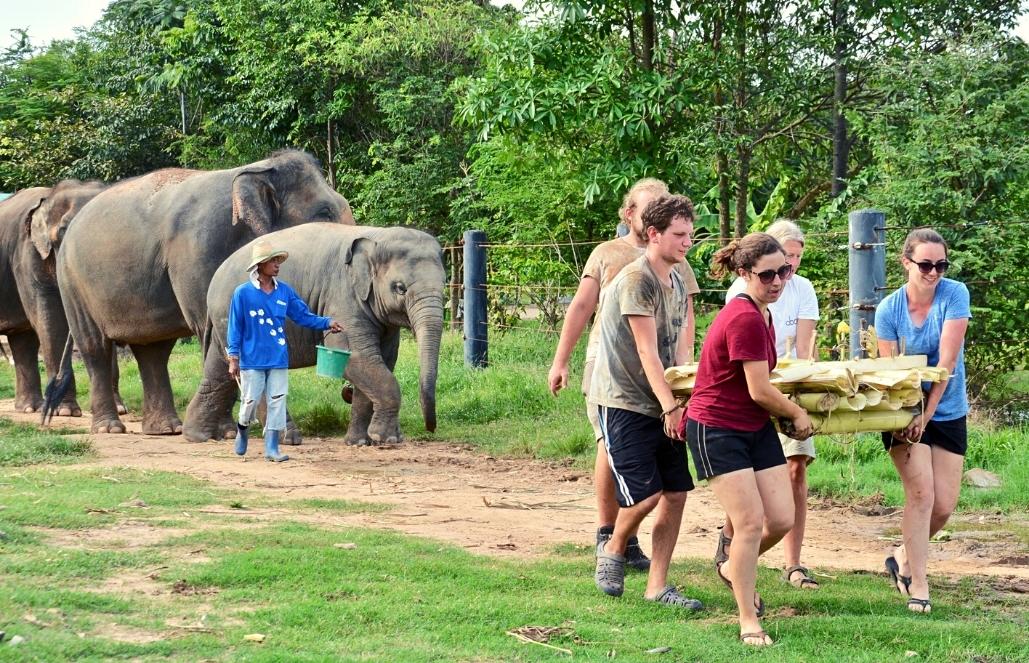
Volunteering Solutions’ Elephant Camp program offers a unique way to support rescued elephants near Chiang Mai. Volunteers live at the camp and start work around 6:30–7:00 am, taking elephants for morning walks and baths.
Daily duties include preparing and feeding breakfast to the elephants, guiding day tourists on safety procedures, learning from mahouts (elephant trainers), caring for baby elephants, and moving equipment around the camp. This program is ideal for wildlife enthusiasts who don’t mind rustic accommodations — rooms are basic, powered by solar cells, and volunteers return to Chiang Mai on weekends.
Sri Lanka
Teaching in Kandy
Sri Lanka’s Kandy region hosts an IVHQ program that allows volunteers to teach English and life skills in monasteries, pre‑schools, and village homes.

Because many locals can’t afford private classes, volunteers help improve conversational English and reading skills. The program welcomes volunteers aged 16 and over, so it’s suitable for teens and families.
Women’s English literacy in Galle
GoEco’s Women’s English Literacy Program empowers rural women in Galle by teaching them English and employable skills. Volunteers teach English, support skill‑building activities, and plan lessons.
The program runs near the beach and includes weekly yoga sessions, local cooking lessons, and weekend excursions. Participants help build confidence and improve job prospects for women, making this a rewarding way to support gender equality.
Turtle conservation on Ambalangoda beach
IVI’s Turtle Conservation project in Ambalangoda focuses on rehabilitating injured sea turtles and protecting nests. Volunteers clean tanks, feed turtles, gather data on populations, identify species, collect eggs, monitor nests, and sometimes release hatchlings into the ocean.
Most turtles at the centre are injured by fishing nets or pollution, so the program also educates fishermen and locals on conservation. A mandatory orientation week in Kandy helps volunteers learn about Sri Lankan culture before starting work.
India
Teaching English in Delhi
IVHQ’s Teaching English in Delhi program places volunteers in underserved schools in Faridabad, near Delhi. Volunteers help teachers run English classes and coordinate games and activities for students; they typically work 3 to 5 hours per day and can participate for one to twenty‑four weeks.
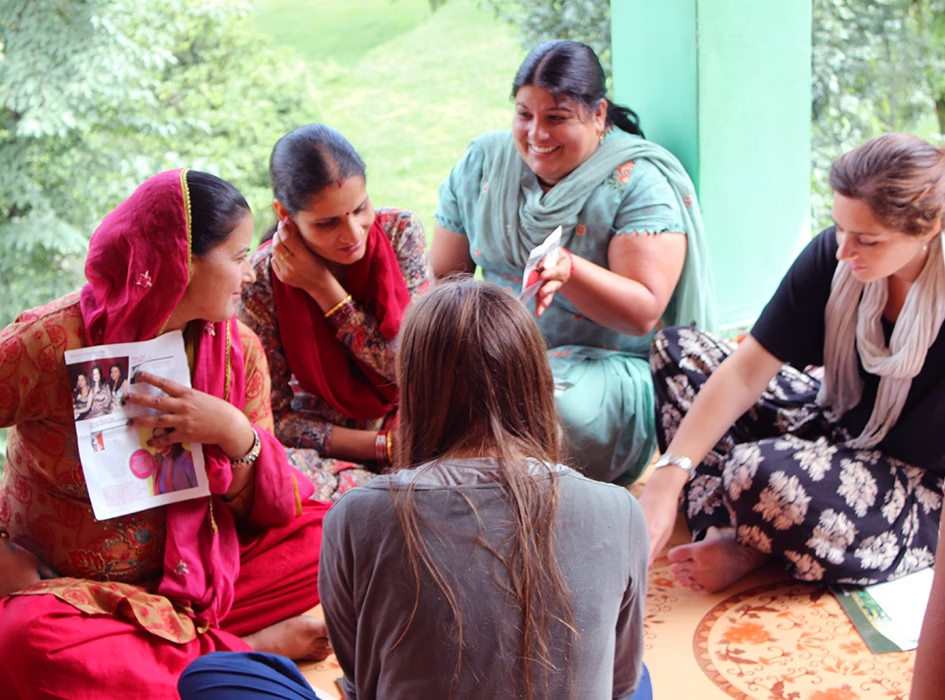
Start dates are on the first and third Monday of each month, and volunteers need to be at least 18 years old.
Goa teaching and community outreach
GoEco’s Teaching and Community Work in Goa combines educational support with community outreach. Volunteers teach English at a local kindergarten and spend afternoons running games and educational activities at a slum outreach program.
The work schedule allows free time to enjoy Goa’s beaches, and volunteers live with peers from around the world, creating a social yet impactful experience.
Construction and renovation in Udaipur
IVI’s Construction & Renovation project in Udaipur gives volunteers hands‑on opportunities to improve community infrastructure. Tasks typically include assisting with building or renovating classrooms, installing sanitation facilities, painting and repairing community centres or schools. Volunteers help create safe, inspiring spaces for children and families, and the program often runs alongside teaching initiatives.
Kenya
Teaching in the Maasai region
IVHQ’s Teaching in Maasai program offers a cultural immersion like no other. Volunteers teach in rural Maasailand schools, provide one‑on‑one support, and sometimes take full classes.
Participants help improve literacy and numeracy, bringing new ideas to under‑resourced classrooms while experiencing life in a Maasai community.
Masai Mara lion and wildlife conservation
GoEco’s Masai Mara Lion & Wildlife Conservation project places volunteers in Kenya’s most famous reserve. Volunteers join field researchers to monitor lions, cheetahs, and leopards, collect data on their movements, and assist with ecosystem management.
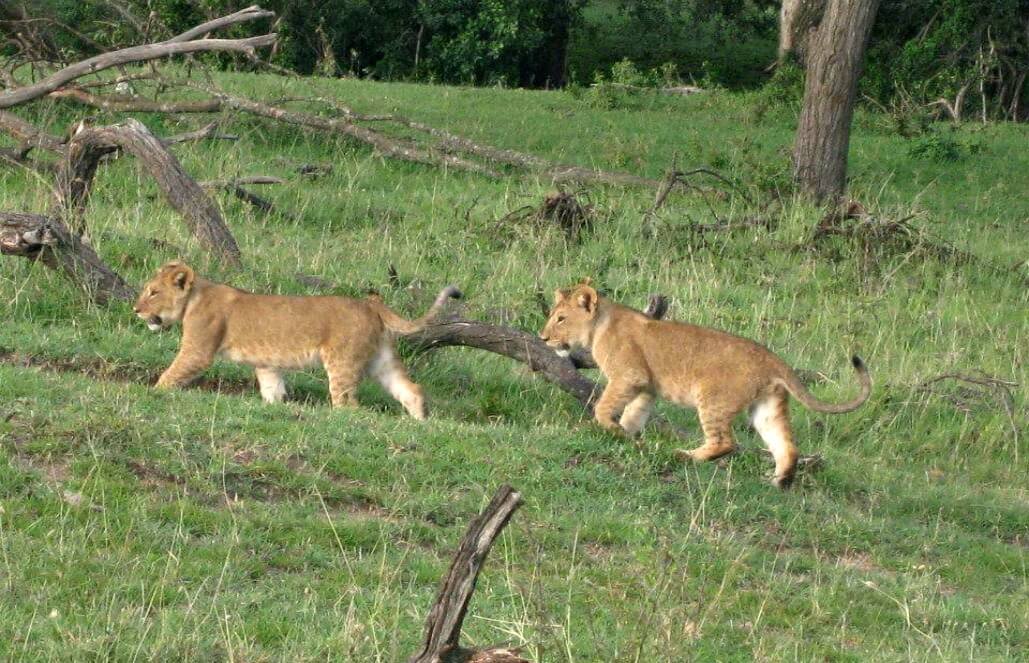
The program includes cultural learning with Maasai guides, tree planting, and maintaining the ecological balance of the reserve. Participants often witness the Great Wildebeest Migration, making this both an educational and awe‑inspiring experience.
Savannah conservation in Soysambu Conservancy
Projects Abroad’s Savannah Conservation program is based in Kenya’s Soysambu Conservancy, home to wildlife like Rothschild’s giraffes and lions. Volunteers set up camera traps, conduct animal surveys, remove invasive species, maintain waterholes, and plant trees.
They also engage in community outreach activities such as installing fuel‑efficient stoves and teaching environmental awareness. The schedule alternates between “physical days” (fieldwork) and “non‑physical days” (data entry and research), offering a balance of activities.
Reforestation and environmental volunteering in Limuru
African Impact’s Reforestation & Environmental Volunteer Project in Limuru invites volunteers to tackle biodiversity loss by removing invasive plant species, collecting and propagating indigenous seeds, maintaining forest trails, and running interactive environmental lessons in schools. They also collaborate with local women and farmers to plant trees, promote rainwater harvesting, and create vegetable gardens.
This program combines hands‑on conservation with community education, making it an excellent choice for eco‑minded travellers.
South Africa
Sports development in Table View
IVHQ’s Sports Development in Table View program works with after‑school clubs in Cape Town. Volunteers coach or supervise sports like skateboarding, netball, soccer, boxing, and swimming, and they can lead new clinics depending on their interests.
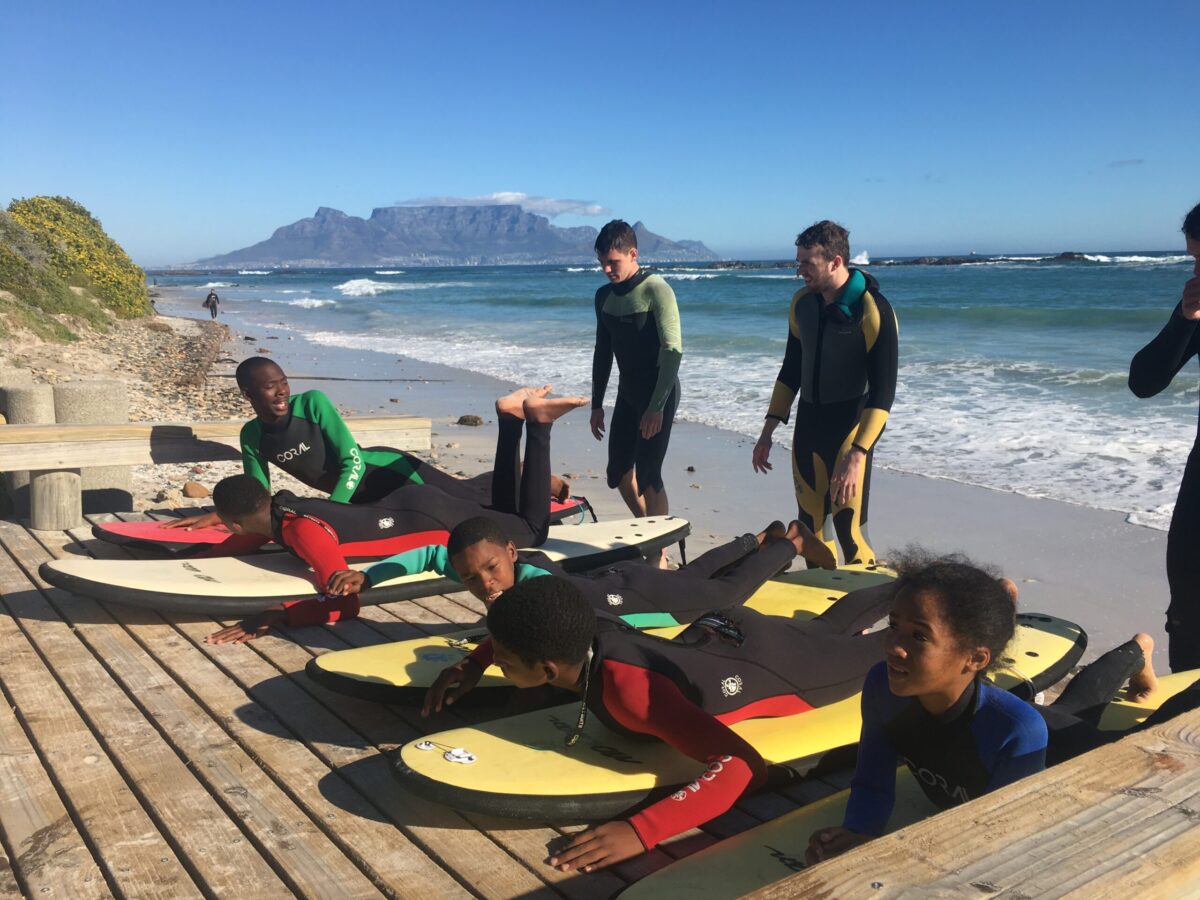
In the mornings, volunteers support childcare centres or nutrition projects. The program aims to provide positive activities for children in low‑income communities and is not available during South African school holidays.
Penguin and marine bird rehabilitation
GoEco’s Penguin & Marine Bird Sanctuary in Port Elizabeth rehabilitates African penguins and other seabirds. Volunteers help with cleaning enclosures, preparing food, and assisting with feeding. They also support educational tours for visitors and may join bird releases when the animals recover.
Because African penguins are endangered, this program offers volunteers a meaningful way to contribute to marine conservation while exploring South Africa’s Eastern Cape.
Wildlife rehabilitation in Tzaneen
African Impact’s Wildlife Rehabilitation Project at Umoya Khulula Wildlife Centre allows volunteers to rescue and rehabilitate pangolins, primates, and other animals. Participants respond to call‑outs to rescue orphaned animals, provide hands‑on care, and help prepare animals for release. They also learn about wildlife veterinary care and conservation, making this project excellent for aspiring zoologists.
Rhino and wildlife conservation
For those passionate about endangered species, GVI’s Rhino Poaching Awareness programs in South Africa involve joining trained field guides to monitor rhino movements, collect data on predator–prey interactions, and support anti‑poaching patrols.
Although details vary by location, volunteers generally participate in early‑morning tracking sessions, mid‑day data entry, and late‑afternoon patrols. These initiatives underscore the importance of protecting Africa’s iconic wildlife.
Bonus destinations
Programs in Latin America
Volunteering in Latin America with Maximo Nivel combines cultural immersion, real community impact, and professional development.

Programs in Costa Rica, Guatemala, and Peru support education, conservation, healthcare, and construction projects alongside local partners. Volunteers gain Spanish skills, cross-cultural communication, and hands-on experience that strengthens resumes and future careers.
Maximo Nivel provides safe housing, in-country staff, and 24/7 support, so you can focus on meaningful service. Weekends offer travel to volcanoes, beaches, and ancient ruins, deepening your understanding of Latin American history and traditions. It’s an unforgettable way to learn, grow, and create positive change abroad, guided by local experts.
Sustainable agriculture in Romania
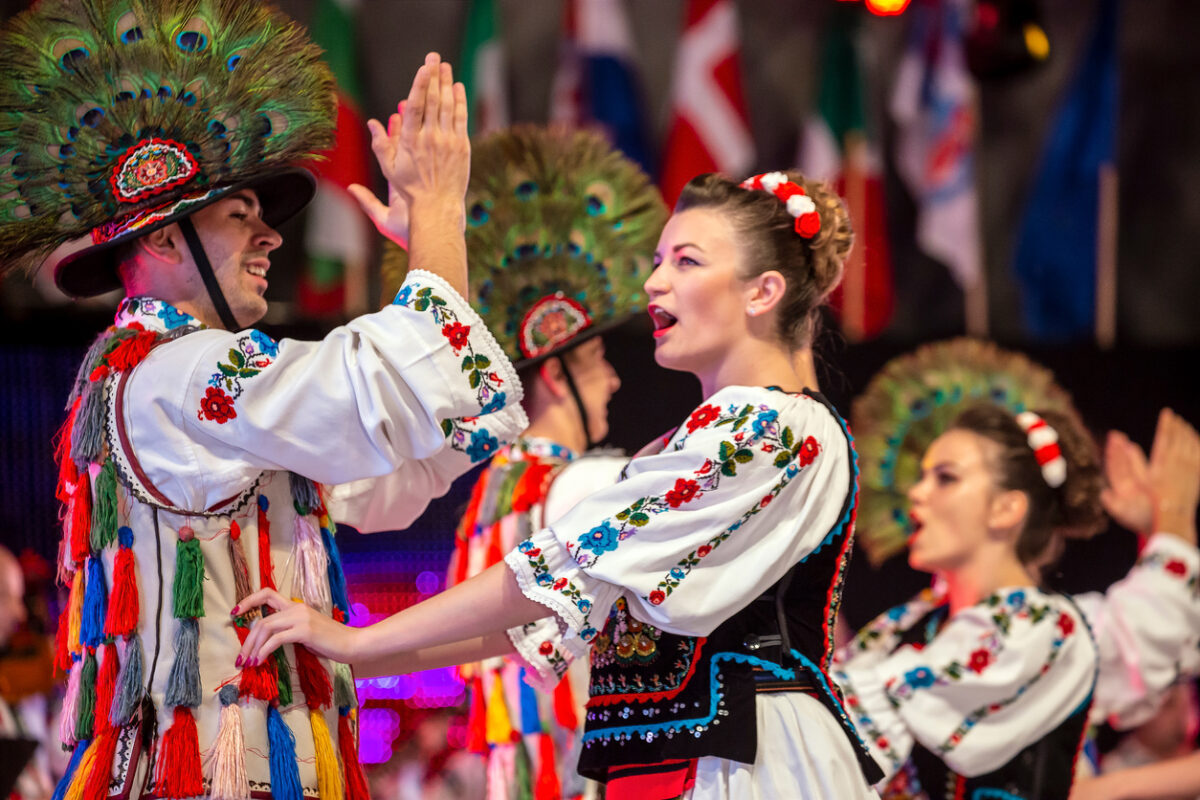
If you’re looking to volunteer in Europe, IVHQ’s Sustainable Agriculture in Miercurea Ciuc program teaches volunteers about traditional Romanian gardening and food security. Participants water plants, plant seeds, maintain compost, improve rainwater collection systems, and use recycled materials to build tools.
Teaching & community programs in Cambodia
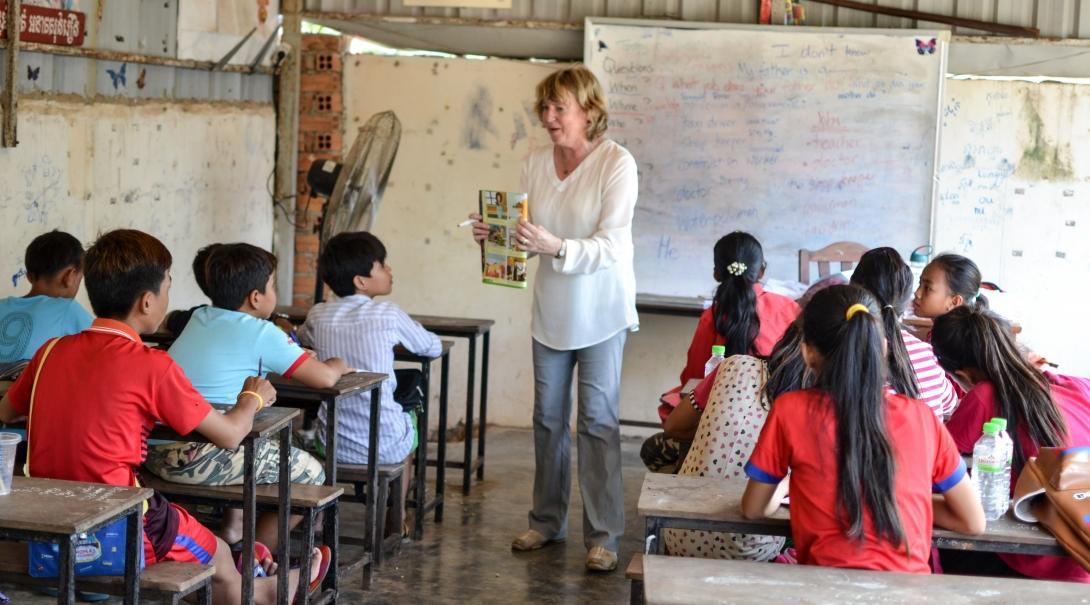
Projects Abroad’s Teaching in Cambodia program places volunteers in kindergartens and elementary schools where they teach English, run arts and sports clubs, and prepare interactive lessons. Volunteers work 9 am to 5 pm with free weekends to explore Phnom Penh, and the program aims to improve literacy and educational opportunities for children in disadvantaged neighbourhoods
GoEco’s Elephant Sanctuary & Forest Conservation in Cambodia offers another option: volunteers trek through the jungle to find rescued elephants, help maintain 1,500 hectares of forest, and assist with sanctuary maintenance.
Go Further, Give More: Make 2026 Count
Volunteering abroad in 2026 offers an incredible opportunity to support community development and environmental protection while discovering new places—whether you’re teaching English in India, rehabilitating penguins in South Africa, or trekking with elephants in Thailand.
To make your impact truly positive, research programs carefully, checking what’s included (meals, accommodation, training), how they collaborate with local communities, and whether they avoid wildlife exploitation.
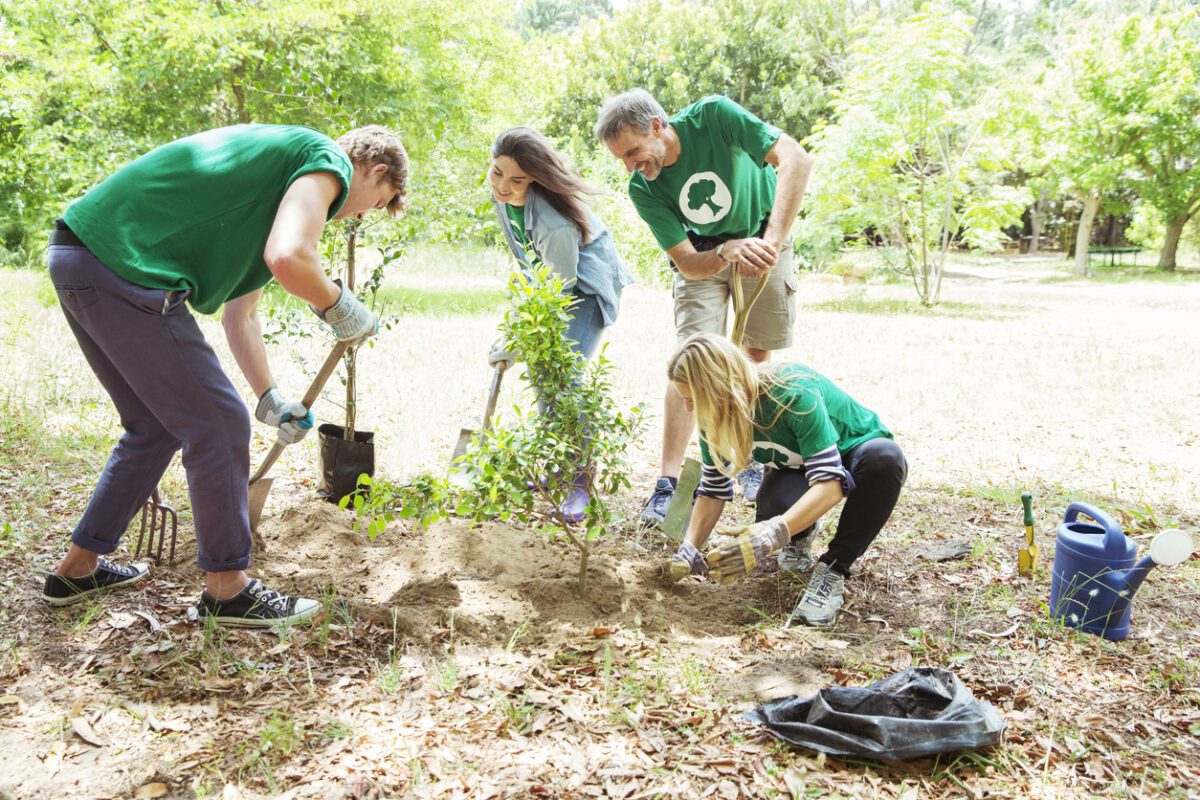
Consider your full budget, including flights, visas, vaccinations, and insurance, and choose a timeframe that suits your goals. Prepare culturally by learning key phrases, customs, and dress codes, and stay open-minded—simple living, early mornings, and occasional homesickness are all part of the journey.
By embracing these challenges and choosing reputable, ethical providers, you’ll not only travel with purpose but also leave a lasting, meaningful impact on the people and ecosystems you encounter.











Munira Maricar · Travel Writer
With an international living background spanning Singapore, Qatar, Japan, and Mexico, Munira enjoys sharing insights on immersive travel while emphasizing the vital role of cultural respect and ethical engagement. Her extensive experience offers a unique perspective that inspires others to explore the world through service, ensuring that every journey respects and contributes positively to local traditions and communities.